Trading
Crypto trading education for beginners — honest, plain-language guides to how trading works and its risks.
-
What Are Support and Resistance in Crypto Trading?
What are support and resistance in crypto trading? A plain-language beginner’s guide: how these price “floors” and “ceilings” work, why they form — and why they can never predict the future. Continue reading
-
What Is Arbitrage in Crypto? Why It’s Not Easy Money
What is crypto arbitrage? A plain-language beginner’s guide: how profiting from price gaps across exchanges works in theory — and why fees, speed, and scams make it far from easy money. Continue reading
-
What Is a Take-Profit Order? A Beginner’s Guide
What is a take-profit order in crypto? A plain-language beginner’s guide: how it locks in gains automatically, why it beats greed — and the honest catches like missing further upside. Continue reading
-
What Is Slippage in Crypto Trading? A Beginner’s Guide
What is slippage in crypto trading? A plain-language beginner’s guide: why the price you get can differ from the price you expected, when it bites hardest, and how to protect yourself. Continue reading
-
What Is a Trading Pair? Reading the Crypto Trading Screen
What is a trading pair in crypto? A plain-language beginner’s guide: how to read “BTC/USDT,” why crypto is always traded against something else, and which pairs are easiest for beginners. Continue reading
-
Should Beginners Day Trade Crypto? An Honest Answer
Should beginners day trade crypto? An honest plain-language answer: why the vast majority lose money, how the dream is sold, the luck-vs-skill trap, and what tends to work better. Continue reading
-
What Does “Liquidity” Mean in Crypto? A Beginner’s Guide
What does liquidity mean in crypto? A plain-language beginner’s guide: how easily you can buy or sell without moving the price — and why low liquidity makes a “cheap” coin a hidden trap. Continue reading
-
Why Is Crypto So Volatile? A Plain-Language Explanation
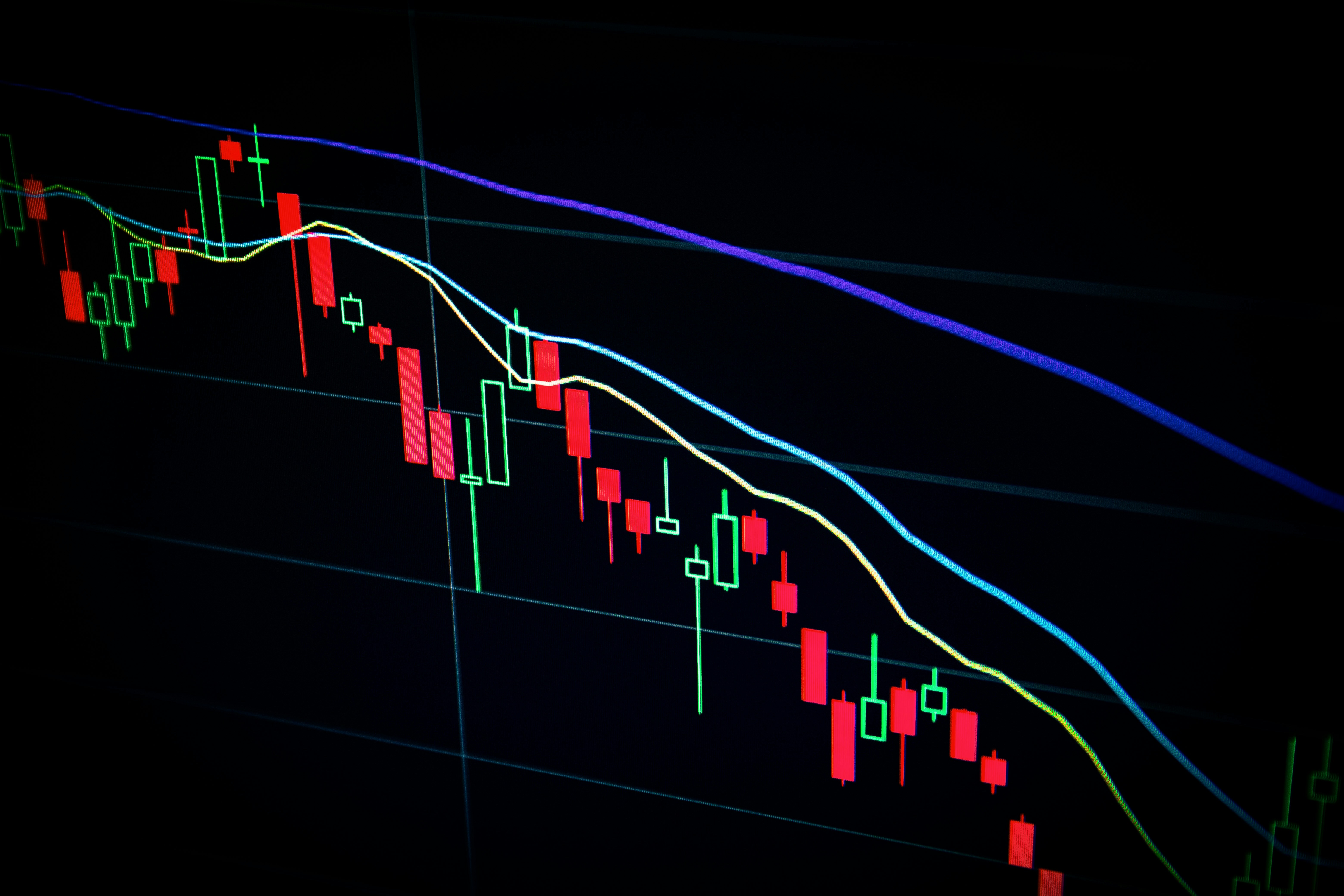
Why is crypto so volatile? A plain-language beginner’s guide to the real reasons — a young market, no traditional valuation, sentiment-driven, 24/7 trading, and leverage — and how to stay calm. Continue reading
-
Spot Trading vs Futures: What’s the Difference for Beginners?
Spot trading vs futures: what’s the difference? A plain-language beginner’s guide — spot means owning crypto, futures means leveraged betting — and an honest warning on the risk gap. Continue reading
-
What Is a Stop-Loss Order? A Beginner’s Guide (and Its Catches)
What is a stop-loss order in crypto? A plain-language beginner’s guide to how it caps losses, why it’s useful — and the honest catches like slippage and getting sold out before a bounce. Continue reading