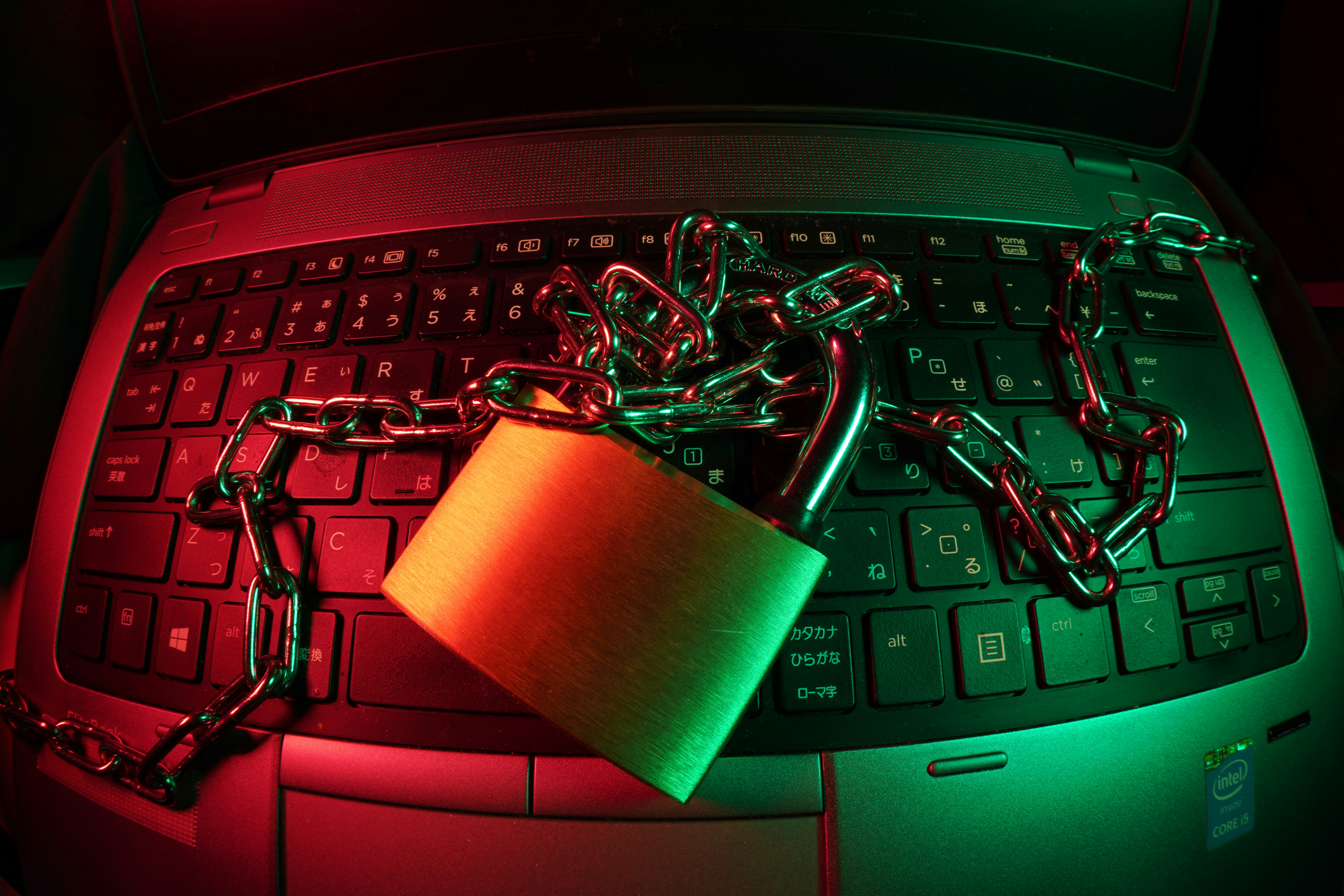
In crypto, you are your own security. There’s no bank to call if something goes wrong, and most mistakes can’t be undone. That sounds scary, but the good news is that staying safe comes down to a handful of habits — and once they’re second nature, you’ve eliminated the ways most beginners lose their crypto. Here’s the checklist.
1. Protect your seed phrase above everything
Your seed phrase (those 12–24 recovery words) is the master key to your crypto. Anyone who has it can take everything.
Never share it with anyone, ever. Never type it into a website, app, or message. No legitimate exchange, wallet, or “support team” will ever ask for it. Write it down on paper and store it somewhere safe offline — not in a photo, a screenshot, an email, or a notes app, all of which can be hacked. This single habit prevents the most common catastrophic loss.
2. Turn on two-factor authentication (2FA)
2FA adds a second layer beyond your password — usually a code from an app on your phone. Enable it on every exchange and account that offers it. Where possible, use an authenticator app rather than SMS text codes, since phone numbers can be hijacked. It’s one of the simplest, most effective protections you can set up.
3. Use strong, unique passwords
Use a different, strong password for each crypto account. If you reuse passwords and one site is breached, attackers will try that same password everywhere else. A password manager makes this easy and is well worth using.
4. Always double-check addresses
When sending crypto, carefully check the recipient address. Crypto transactions are irreversible — if you send to the wrong address, it’s almost always gone for good. Check the first and last several characters, and be aware of malware that can swap a copied address for a scammer’s. When in doubt, send a tiny test amount first.
5. Verify websites and links
Scammers create fake versions of real sites with slightly-off web addresses. Always check the address carefully before logging in, and prefer typing the address yourself or using your own saved bookmark over clicking links sent to you. Treat unexpected links — especially in messages and emails — with suspicion.
6. Be deeply skeptical of “too good to be true”
Guaranteed returns, free crypto giveaways, “I have a gift for you” messages, and urgent “act now” pressure are classic scam patterns. Real opportunities don’t require you to send crypto first, connect your wallet to claim a prize, or rush before you can think. If it feels too good to be true, it is.
7. Consider a cold wallet for larger amounts
For crypto you intend to hold long-term, consider moving it off exchanges and online wallets into a cold (offline) wallet, which is far harder for attackers to reach. A common approach: keep small, active amounts in convenient hot wallets or trusted exchanges, and larger savings in cold storage.
8. Keep your devices and accounts clean
Keep your phone and computer updated, avoid installing sketchy apps or browser extensions, be cautious on public Wi-Fi, and don’t broadcast how much crypto you hold. Good general digital hygiene protects your crypto too.
Key takeaways
Crypto security comes down to a few repeatable habits: guard your seed phrase above all, enable 2FA, use strong unique passwords, double-check addresses, verify links, stay skeptical of anything too good to be true, use cold storage for larger amounts, and keep your devices clean. You don’t need to be a security expert — you just need these habits to become automatic. Do that, and you’ve closed off the ways most beginners lose their crypto.
For more, see our guide on how to spot a crypto scam, and if you’re just getting started, what a crypto wallet is explains the keys these habits protect.
Want to go deeper on the two habits that matter most? See hot wallet vs cold wallet and what happens if you lose your seed phrase.

Leave a Reply